Destination · Montenegro
Destination · Montenegro
26 beach bars
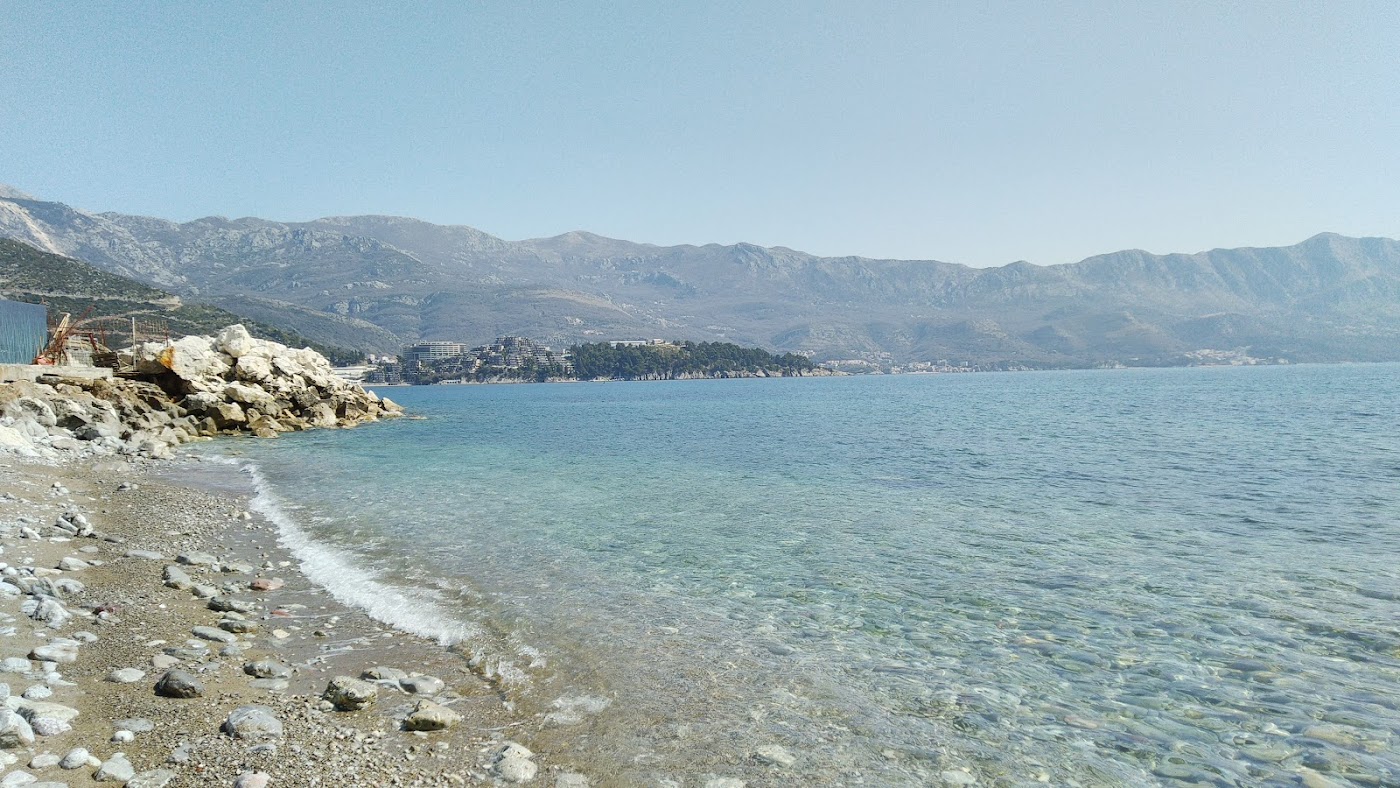
Pizana Beach is a small, characterful beach just outside the walls of Budva's medieval old town, described as a tiny, bustling 100-metre stretch of pebbles and sand in an incredibly central location. Despite its small size, the beach is well-loved — rated 4.2 by over 135 visitors — and its position immediately adjacent to the old town gives it a unique character. The ancient fortifications of Budva rise directly behind the beach, making it one of the most historically atmospheric beach spots in Montenegro. The water is clear and calm, and the setting is perfect for a short swim combined with a wander through the old town's cobbled streets. Ideal for those staying in or near the old town who want a quick, beautiful dip without travelling far.
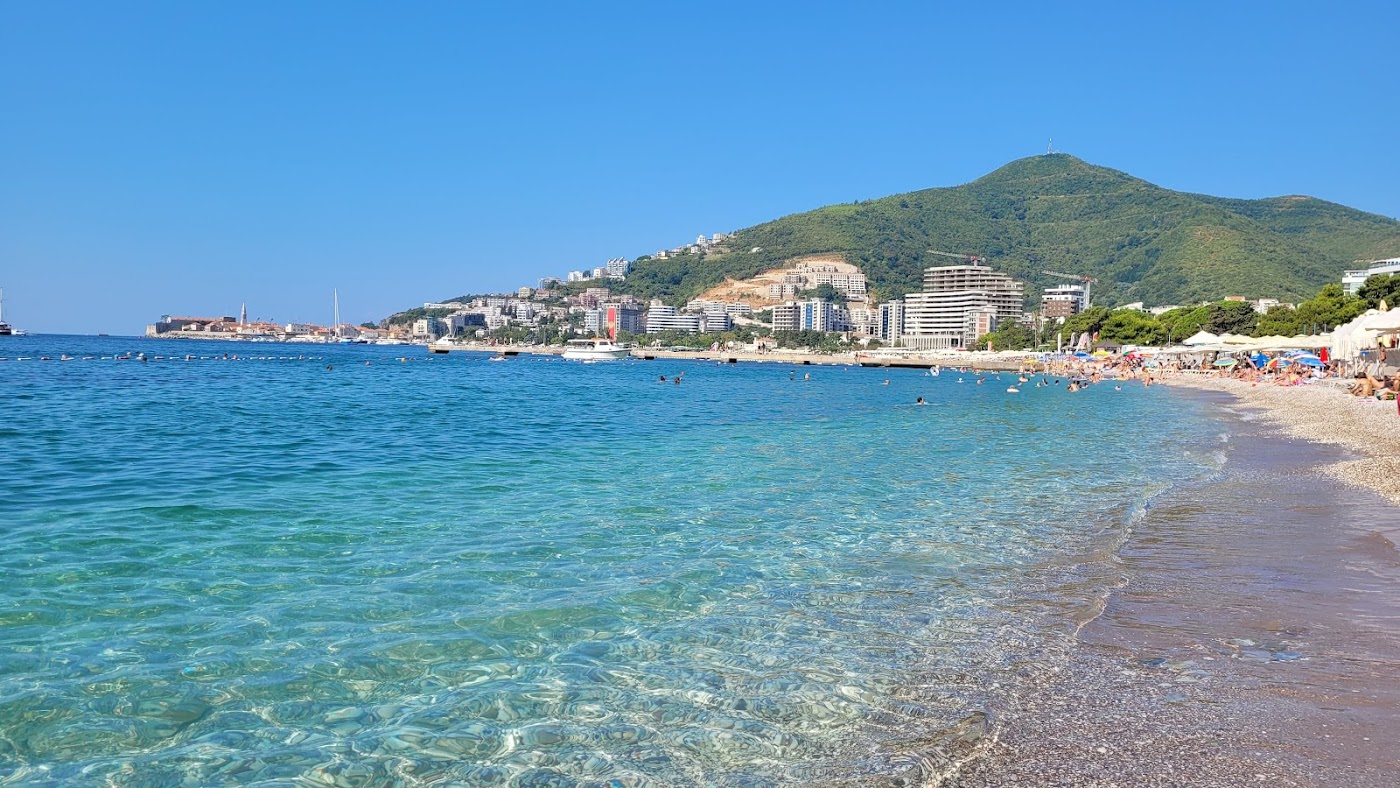
Slovenska Plaža is a compact beach in central Budva fronting the main promenade, offering easy access, mountain views and a classic resort beach atmosphere. The beach is organised with sunbeds and parasols and backed by the busy Slovenska Obala promenade, lined with hotels, restaurants and beach bars. It's one of the most accessible beaches in Budva — within walking distance of almost every hotel in the town centre. The water is calm and suitable for swimming, and the mountain backdrop visible on clear days adds to the setting. Over 800 visitors have rated it, making it a reliable if sometimes busy choice. Best for guests staying in central Budva who want convenience over seclusion.
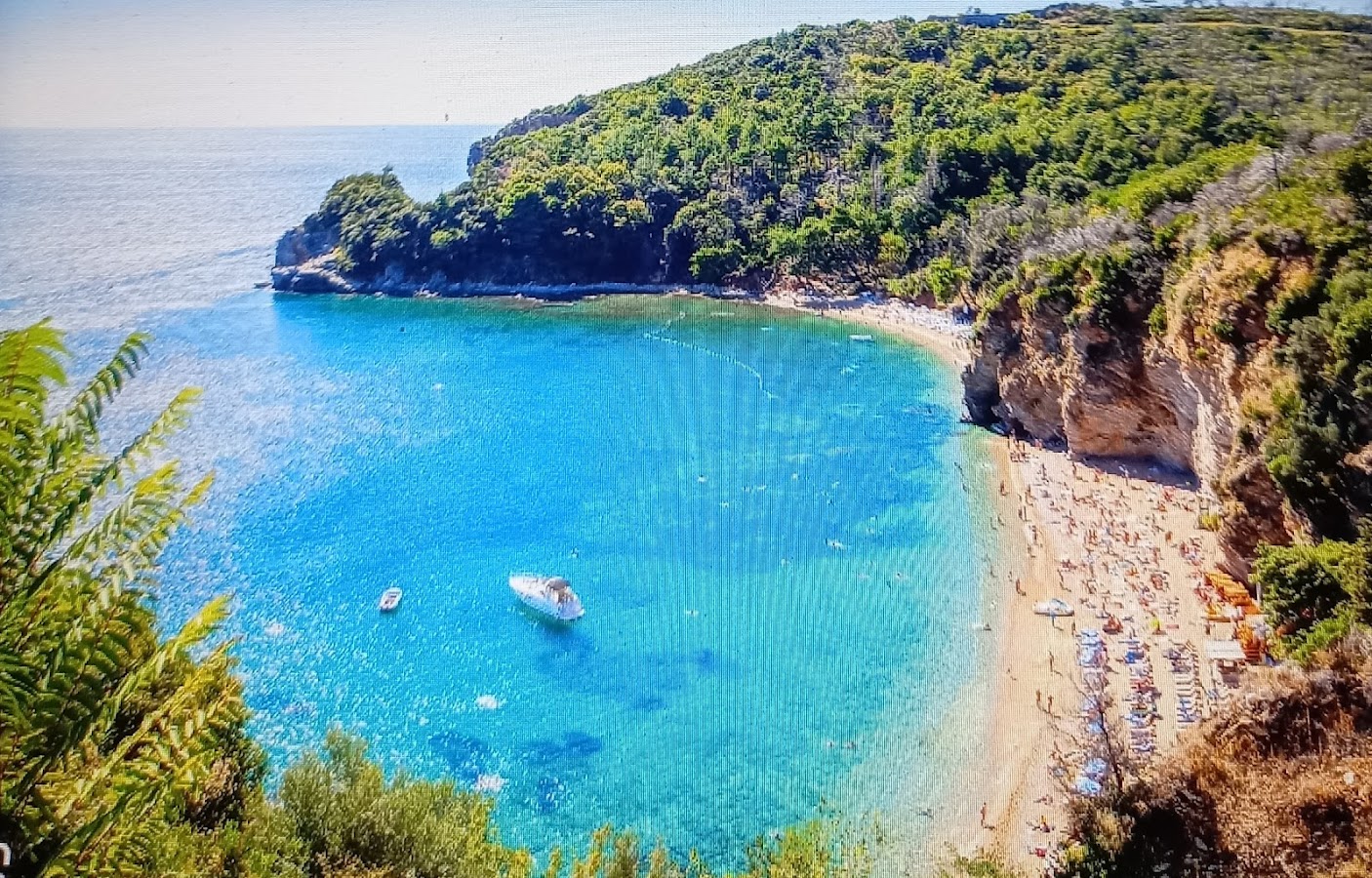
Budva is the undisputed capital of Montenegrin beach tourism — a compact, walled medieval old town surrounded by some of the most visited beaches on the Adriatic, ringed by a skyline of modern hotels and backed by dramatic karst mountains. In July and August it is intensely busy, drawing a mix of Eastern European tourists, party-seeking twenty-somethings, families, and an increasing number of Western visitors. The old town itself, with its Venetian ramparts jutting into the sea, is genuinely beautiful and best appreciated early morning before the crowds arrive. Mogren Beach is the romantic choice — two coves accessed through a tunnel carved in the rock, sheltered and scenic. Slovenska Plaža is the long town beach, lined shoulder-to-shoulder with beach bars, clubs, and water-sports operators. Heading north, Jaz Beach is a wide, open bay with a famous open-air concert stage and a wilder, rockier character. Bečići and Rafailovići extend the riviera southward, with a long stretch of fine pebble and a slightly calmer, more family-oriented atmosphere. The beach bar and nightclub scene in Budva is among the most developed in the Western Balkans: from floating clubs to hilltop beach bars with panoramic views, the Budva Riviera caters to every decibel level and budget.
The beach scene
Budva's beaches suit almost every type of traveller, which is both its strength and its challenge in peak season. Mogren suits couples and leisure swimmers looking for character and scenery. Slovenska is the all-day party strip — sun loungers, beach bars, jet skis, and volume turned up high. Jaz is the choice for those who want space and a live-music festival atmosphere. Bečići delivers a longer, slightly quieter beach with good amenities and a predominantly family crowd. Luxury beach clubs with daybeds and bottle service sit alongside budget wooden bars; the full spectrum is here.
Frequently asked questions
Budva's top beaches include Mogren, a scenic double cove just a short walk from the Old Town walls, and Jaz Beach, a wide pebble-and-sand stretch about 3 km north that hosts concerts and has good facilities. Bečići and Rafailovići, a few kilometres south, offer long pebble shores with plentiful sun-lounger rentals and calm, clear water.
For something quieter, Kamenovo is a smaller cove south of Bečići with a more relaxed feel and fewer crowds. Each beach suits a slightly different vibe — Mogren for proximity to the Old Town, Jaz for space and parties, Bečići for families and amenities.
On most Budva-area beaches, a single sunbed or lounger runs roughly EUR 5–15 per day, while a standard set of two loungers with a shared umbrella typically costs EUR 15–30. Baldahins — the private shaded cabana-style structures — range from about EUR 40 to EUR 100 per day depending on the beach and operator.
Prices tend to be highest at the most central spots like Mogren and the Old Town waterfront, and somewhat lower at Bečići or Rafailovići. During peak July–August weeks, it is worth arriving early to secure a spot, especially for baldahins which are limited in number.
Bečići is widely considered the most family-friendly option near Budva — it has a long, gently shelving pebble shore, calm water, and plenty of cafés, sun-lounger rental operators, and beach-toy vendors along the promenade. Rafailovići, just north of Bečići, is similarly calm and slightly less crowded.
Mogren Beach is also popular with families because of its sheltered coves and easy walk from town, though the pebble entry can be slippery for toddlers. Water shoes are a good idea at all Budva-area beaches. Facilities including showers and toilets are available at the main beaches.
Budva is about 25 km from Tivat Airport (roughly 30 minutes by car or taxi) and around 65 km from Podgorica Airport (about an hour). Shuttle transfers and rental cars are available at both airports; Dubrovnik Airport in Croatia is also used by travellers from the north. Regular buses connect Budva to Tivat, Kotor, Podgorica, and Bar.
Parking in central Budva and near Mogren Beach is very limited in July and August — paid lots fill quickly by mid-morning. For Bečići and Rafailovići, roadside and lot parking is easier but still busy in peak season. Arriving before 9 am or using public buses from nearby towns is the most stress-free approach.
The swimming season around Budva runs roughly from mid-June to late September. Sea temperatures peak in August at around 25–26 °C, which is ideal for swimming, but July and August are also the busiest and most expensive months, with packed beaches and higher accommodation rates.
June and September offer a noticeably quieter experience — the sea is warm enough for comfortable swimming, sun-lounger availability is better, and the Old Town is far less congested. Early September in particular gives almost summer-quality weather with noticeably fewer tourists, making it the sweet spot for many visitors.
Kamenovo Beach, tucked between Bečići and Pržno, is one of the calmer options near Budva — it has no large beach bars and fewer organised sunbed operators, so it attracts a more relaxed crowd. Pržno village beach itself is small and pleasant, with a fishing-village atmosphere that keeps the big tour-group crowds away.
For those willing to travel 30–40 minutes south by car, the beaches around Petrovac — such as Buljarica — are significantly quieter than central Budva while still being well within a day-trip range. Within Budva itself, the smaller coves off the coastal path between Mogren and Sveti Stefan tend to be less crowded than the main sandy stretches.