Why Herceg Novi is perfect for an active beach holiday
Most visitors rushing down Montenegro's coast skip Herceg Novi and head straight to Budva or Ulcinj. That is a mistake if you want beach days that involve more than a sunbed. Herceg Novi sits where the Bay of Kotor opens into the open Adriatic, which means the water is exceptionally clear, the currents gentle, and the coastline still laced with tiny coves that have not been landscaped into resort beaches. The old town steps lead straight to the waterfront, and from the small boat jetty below the Kanli Kula fortress you can organise almost anything — a solo kayak, a guided snorkel, a group boat trip, or simply a local taxi-boat ride to a beach you cannot reach by road.
Swim season runs from mid-June to late September. Water temperature peaks in August at around 25–26 °C, making snorkelling genuinely comfortable. June and September are quieter, prices are lower, and the underwater visibility is often better because the sea is calmer.
Kayaking the inner bay coves
Single and double sea kayaks can be rented at several points along the Herceg Novi waterfront, typically from late June through to early September. A half-day rental gives you enough time to paddle west past Igalo and into the pebble coves below the cliff road, or east toward the mouth of the bay. These sheltered waters are ideal for beginners: no open-sea swell, and you can pull up on a private pebble shore and snorkel off the kayak whenever you want.
For a longer day, experienced paddlers follow the rocky shoreline south toward Zelenika. The water along this stretch is some of the bay's clearest, and the absence of sandy beaches keeps the crowds thin. Bring your own snorkel mask if you can — rental gear is available from some operators but quality varies.
Expect to pay roughly EUR 15–30 for a half-day kayak rental depending on the operator and season. Guided group kayak tours that include a snorkel stop and a swim break run higher, but split across a group of four they become excellent value.
Boat trips to Žanjic and Mirište
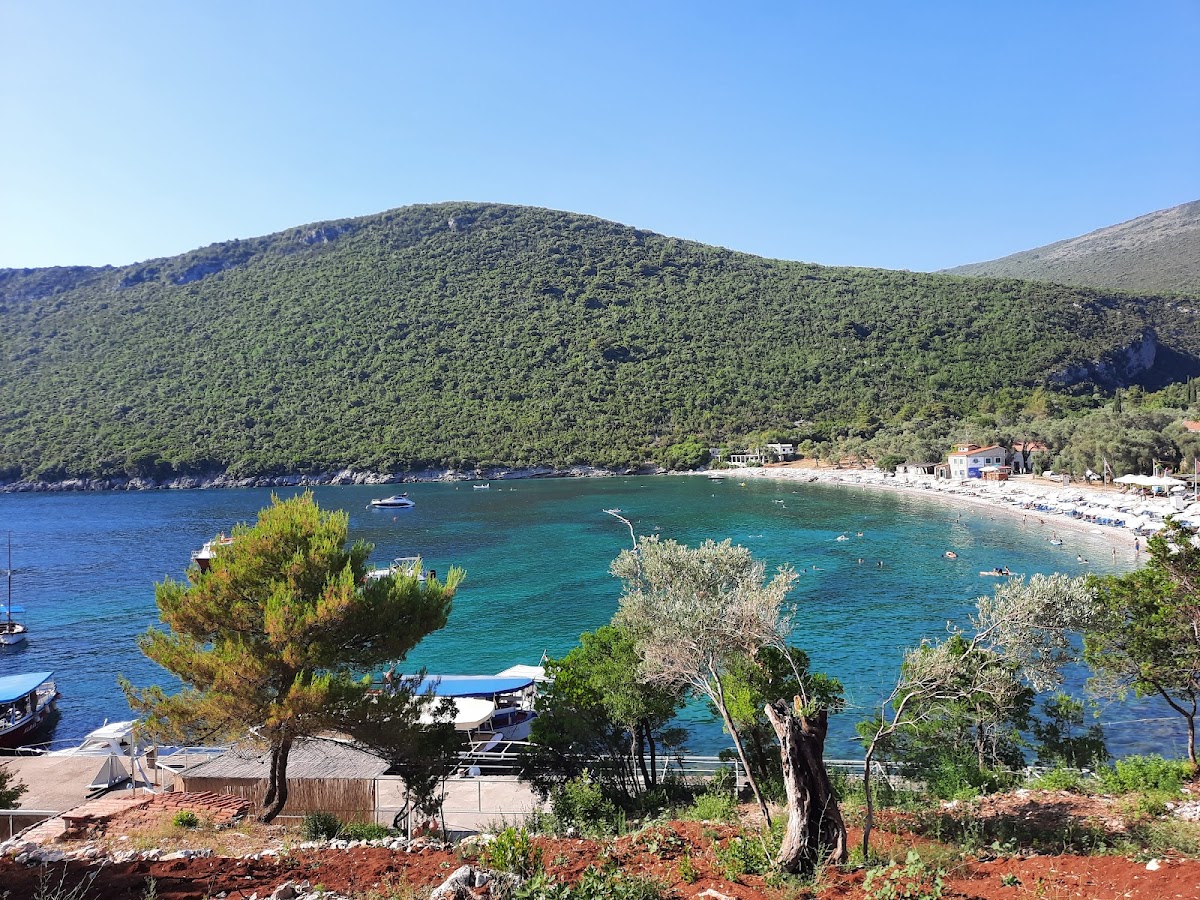
Žanjic is the most celebrated beach on the Luštica Peninsula — a long arc of pebble beneath pine forest, with water so clean it runs turquoise in July and deep blue in August. There is no road to the beach, so every visitor arrives by boat, which is precisely why it still feels unspoiled.
Taxi-boats run from the Herceg Novi and Igalo jetties throughout the day in high season. The ride takes roughly 20–35 minutes depending on your departure point. There is an organised beach section at Žanjic with sunbeds and umbrellas — expect EUR 5–15 per lounger per day — and a small bar serving drinks and simple food. The free pebble sections further along the shore are an option if you prefer to bring your own supplies.
Mirište, a smaller cove just around the headland from Žanjic, sees fewer visitors and has no sunbed operation. Bring everything you need. The snorkelling around its rocks is exceptional: sea urchins, octopus, and small fish are common sightings even for casual swimmers with a basic mask.
Snorkelling around Mamula island
Mamula is a circular 19th-century Austro-Hungarian fortress island sitting at the very entrance to the bay. The waters around it remain open to anyone arriving by boat, and the mix of old stonework and clear Adriatic water makes it one of the most atmospheric snorkelling spots on the entire Montenegrin coast.
Organised snorkel trips from Herceg Novi typically circle the island, stopping at two or three spots where the fortress walls descend into the sea. Visibility of 10–15 metres is common in calm weather. Look for sea bream, moray eels in the crevices, and the occasional jellyfish in late August — check conditions before you go.
Boat trips that include Mamula often combine it with a stop at Žanjic or the Blue Cave (Plava Špilja) near the village of Rose. These run as half-day or full-day excursions, departing in the morning from the main Herceg Novi jetty. Book the day before in high season, or simply walk down to the jetty in the morning and ask — departures are informal and frequent in July and August.
Practical tips for active beach days
**Water shoes are worth bringing.** The coastline around Herceg Novi is almost entirely pebble and rock, and entering the sea at most coves involves stepping over sharp stones.
**Start early.** Taxi-boats to Žanjic and snorkel tours fill up quickly on busy July and August mornings. Arriving at the jetty by 9 am gives you the best pick of departures and the best light for snorkelling.
**June and September offer the best balance.** The sea is warm enough — 22–25 °C — the boats run regularly, and there are far fewer people competing for space on the beach. Sunbed prices at Žanjic are also slightly lower outside the peak weeks.
**Getting here.** Tivat airport is roughly 40 minutes by car from Herceg Novi. Dubrovnik airport, just across the Croatian border, is about an hour. Podgorica is around 90 minutes. Herceg Novi has good accommodation at all price points, and the old town itself — with its staircase lanes, bougainvillea, and fortress views — makes an excellent base for a week that mixes active water days with easy coastal exploration.
A sample active beach day from town
Leave the Herceg Novi jetty at 9 am on a boat to Žanjic. Swim and snorkel the morning session, then take the short hop around the headland to Mirište for lunch eaten from your bag on a quiet rock. Catch the afternoon taxi-boat back to Herceg Novi and pick up a cold drink on the old town promenade. Alternatively, rent a kayak for the morning, paddle east to a cove you find on the map, and join the organised Mamula snorkel boat for the afternoon. Total out-of-pocket for an active day: roughly EUR 30–55 per person including transport, a sunbed, and a drink — less in June or September.
The activity options are what set Herceg Novi apart from the more passive beach experience you get further south. If you want to do something in the water rather than just lie beside it, this stretch of coast deserves to be your base.