Montenegro's Adriatic coast packs enormous variety into a short stretch of highway. Sutomore, a wide sandy arc just south of Bar, has been welcoming sun-and-sea holidaymakers for generations; Mogren, tucked beneath Budva's old-town walls, rewards those willing to walk a little further for a far more atmospheric setting. Both deliver warm, clear water and reliable summer sun, but they ask very different things of the visitor — and give very different things in return.
The Beach Itself
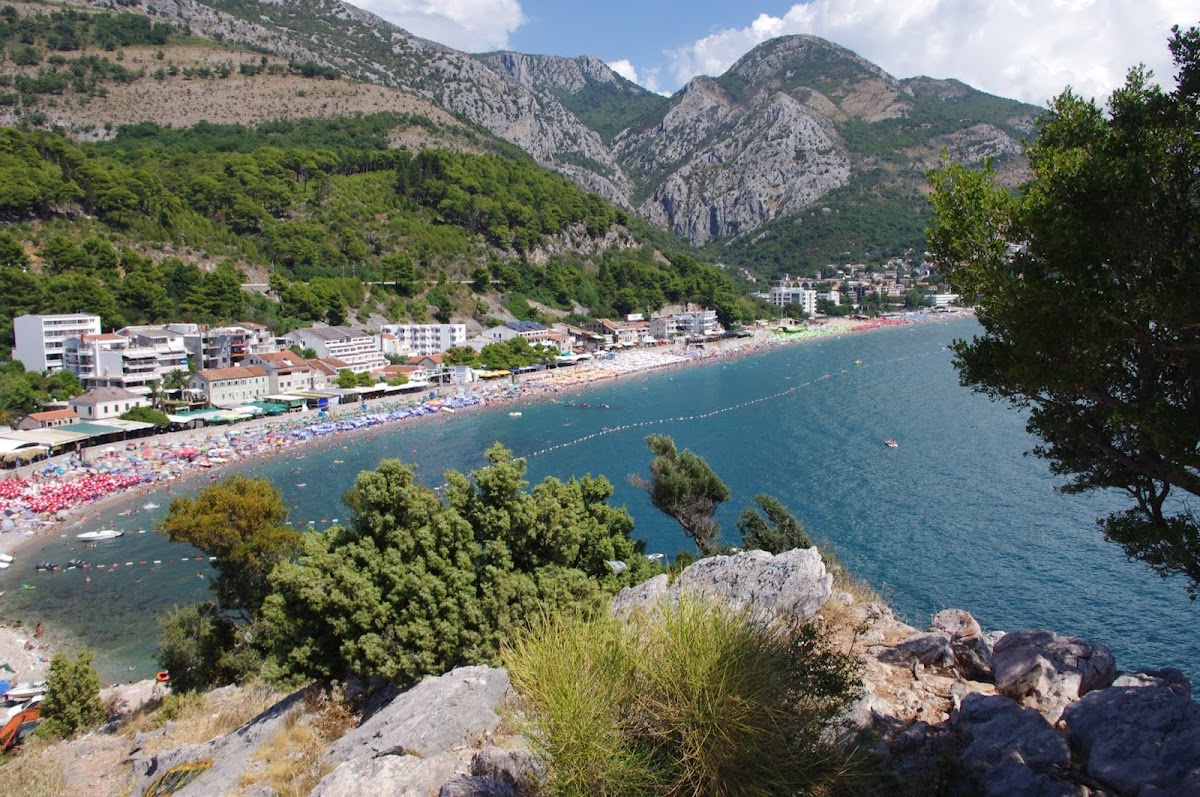
Sutomore stretches for roughly 1.5 km and is one of the longest genuinely sandy beaches on the Montenegrin coast — a rarity in a country dominated by pebble and coarse gravel. The sand is pale and soft close to the waterline, firming up toward the promenade. Entry into the sea is gentle and shallow for the first ten metres, which is exactly why families with small children fill the beach from mid-June onward. The backdrop is modest: a low-rise holiday town, a rail line, and the green slopes of the Sozina hills.
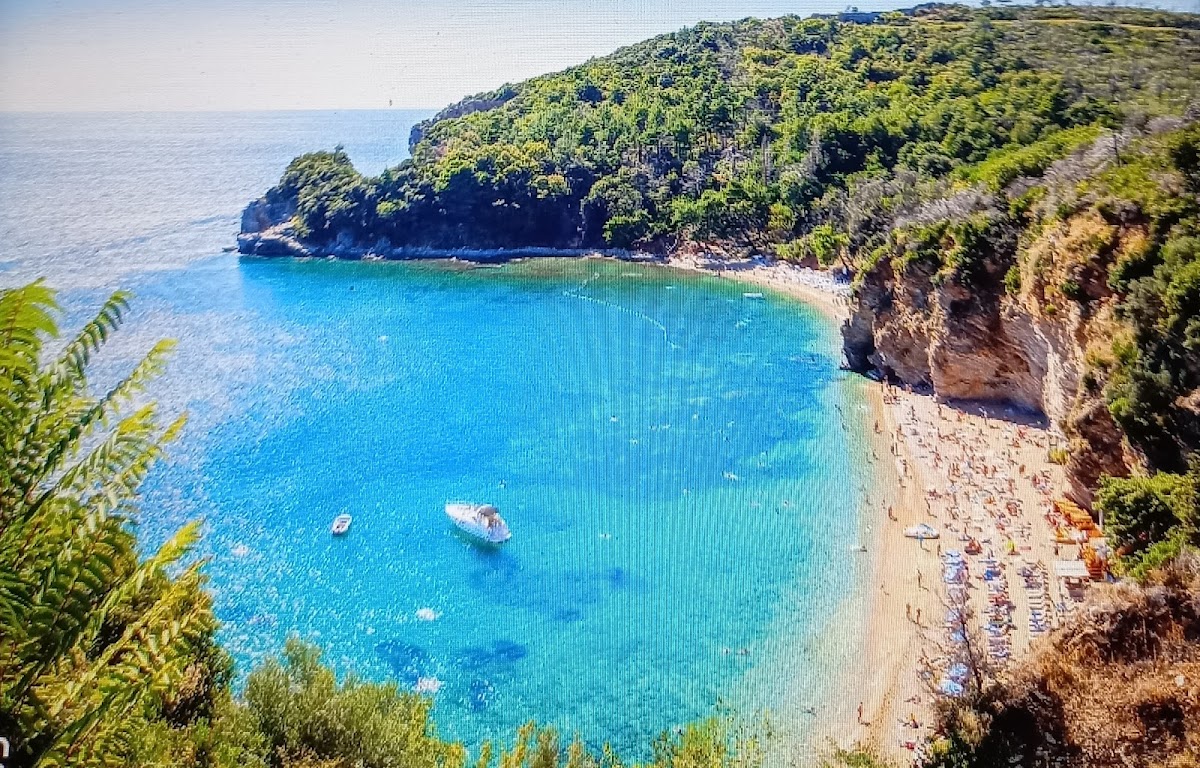
Mogren is actually two coves — Mogren I and Mogren II — linked by a short tunnel cut through the headland cliff. Both are pebble, the kind that is smooth underfoot and turns the water an extraordinary shade of turquoise in mid-morning light. Backed by pine-covered cliffs and fronted by the Adriatic, the setting feels Mediterranean in a way that bigger, more commercial beaches rarely do. Entry into the sea is steeper and deeper than Sutomore, so confident swimmers get more out of it.
The Vibe
Sutomore runs warm and unpretentious. The promenade is lined with cafes, fast-food kiosks, and souvenir shops that stay open until midnight in July and August. It draws Montenegrin families, tourists from Serbia and Bosnia, and a growing number of budget-conscious visitors from further afield. It is never quiet in summer, and it makes no apology for that. The energy is cheerful and communal.
Mogren is quieter and more self-consciously beautiful. Day visitors walk the 10-minute coastal path from Budva's old town to reach it, which naturally limits numbers compared with beaches you can drive directly to. The crowd skews younger and more international — couples, solo travellers, and anyone who has done their research and wants something more than a sunbed on a big sandy strip. There are beach bars on both coves, but they lean into the setting rather than trying to compete with the Budva Riviera clubs.
Facilities and Cost
Sutomore has everything a conventional resort beach needs: rows of sunbeds and parasols (roughly EUR 8–12 per pair per day), outdoor showers, changing rooms, and water sports rentals including pedalo, jet-ski, and banana-boat operators. Accommodation within walking distance ranges from family-run apartments to modest hotels, and prices across the board are among the most affordable on the coast.
Mogren's facilities are simpler but well maintained. Sunbed sets run EUR 10–15 per pair; the beach bars serve drinks, light snacks, and grilled food. There is no large-scale water sports operation — the coves are too small and enclosed for it — which actually adds to the tranquillity. Visitors typically pair a morning at Mogren with an afternoon or evening exploring Budva's old town or the broader Budva Riviera.
Who Each Beach Suits
Sutomore is the obvious choice for families travelling with young children, anyone prioritising gentle sandy entry into the sea, or visitors who want a self-contained beach holiday at accessible prices. It is also well connected by rail — the Bar–Belgrade line stops at Sutomore station, making it reachable without a car.
Mogren suits couples, solo travellers, and anyone for whom atmosphere matters as much as space. If you are already based in Budva — or considering it — the short walk to Mogren repays the effort every single time. The combination of cliff scenery, blue-green water, and proximity to one of the coast's most interesting old towns is hard to beat.