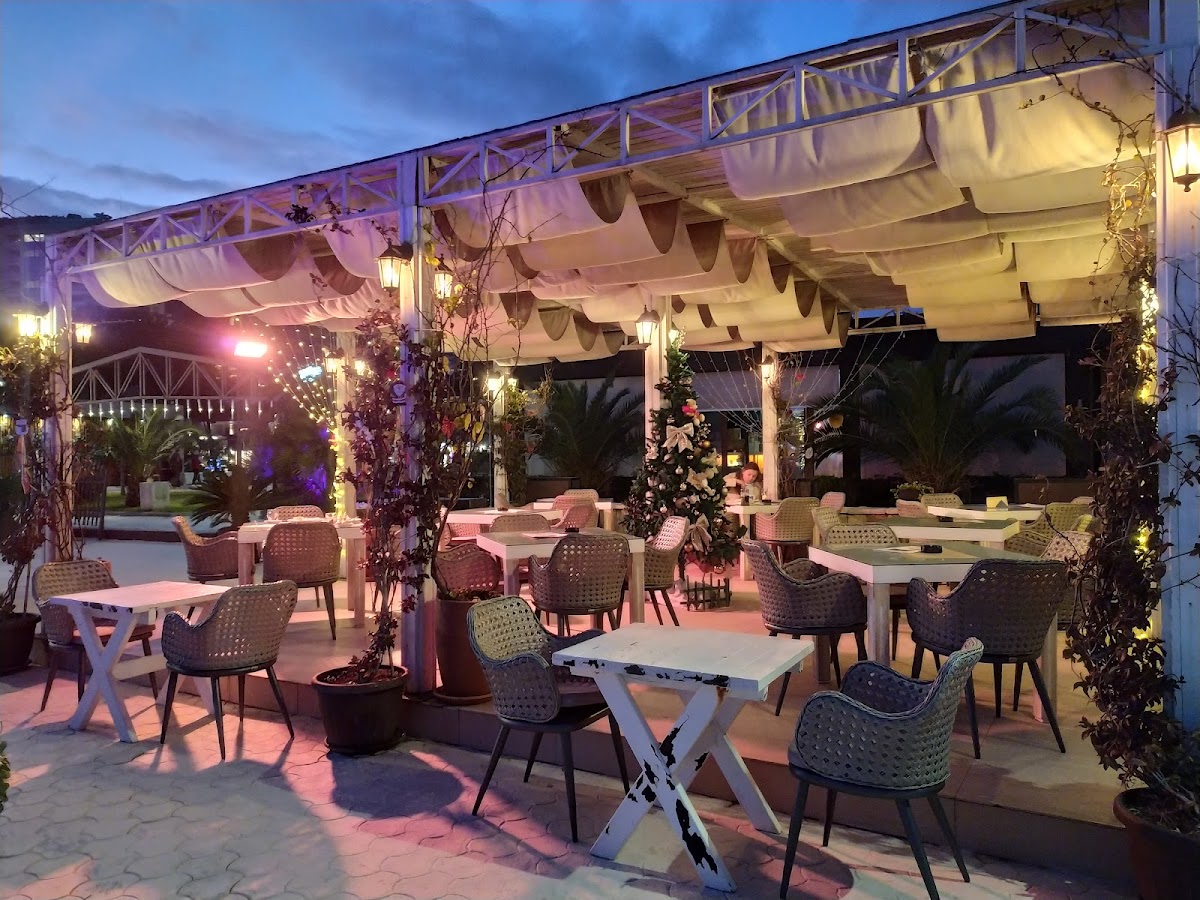
The beach bar food scene in Montenegro
Montenegro's coast has grown into one of the Adriatic's most rewarding spots for beach-day eating. Beach bars here are rarely just a drinks stand: most run a full kitchen from noon until late, and the quality — especially for seafood — regularly punches above the price tag. Whether you're planting yourself on a sunbed at Jaz Beach near Budva, or making a day of it at Velika Plaža in Ulcinj, you can eat properly without leaving the water's edge.
This guide covers the dishes you'll actually find on menus, honest price ranges for 2026, and a few city-by-city notes so you know what to order where.
What's on the menu: the staples
**Grilled fish by the kilo** is the crown jewel. Sea bass (brancin) and sea bream (orada) are the most common, sold fresh and grilled whole, typically priced at EUR 12-22 per kilogram depending on the bar and location. A single fish for one person is usually around 300-400 g. Ask staff what came in that day — the answer tells you a lot about how serious the kitchen is.
**Grilled calamari and shrimp** appear on almost every menu. Calamari can be grilled or fried; the grilled version (lignje na žaru) is usually EUR 9-15 a plate and is reliably good across the coast. Shrimp (škampi) dishes range from simple grilled skewers to a garlic-butter buzara sauce, typically EUR 10-18.
**Ćevapi and mixed grilled meat** (mješano meso) show that the Balkan grill tradition follows you straight to the beach. A plate of small minced-meat sausages with flatbread and chopped onion runs EUR 6-10. It is filling, fast, and popular with families.
**Pizza** is a safe fallback at almost every bar with a kitchen — thin-crust, wood-fired where possible, EUR 7-13. Quality varies widely; at better spots it is genuinely good.
**Seafood risotto** (rižoto od plodova mora) is a sleeper hit. Creamy, loaded with mussels and squid, it is EUR 8-14 and often the kitchen's most labour-intensive dish.
Snacks and lighter bites
Not every beach visit calls for a full meal. Across the coast you will find vendors and small kiosks selling **burek** — flaky pastry filled with meat or cheese — for EUR 1.50-2.50 a piece. It is a morning staple but sold all day near the more popular beaches in Budva, Bečići, and Herceg Novi.
**Corn on the cob** (kukuruz) grilled over charcoal is an oddly beloved beach snack in Montenegro, sold by roaming vendors on Velika Plaža and Mala Plaža in Ulcinj for around EUR 1-2. **Fresh fruit plates** — watermelon, melon, or mixed — appear on most beach bar menus for EUR 3-6 and are a genuine lifesaver in August heat.
**Bruschetta, tzatziki, and vegetable starters** (predjela) are widely available and make a good light lunch for EUR 4-8 each.
Drinks: beyond the cocktail list
The house cocktail list at a beach bar tends to be long and imaginative, but local options are cheaper and worth knowing. **Nikšićko pivo** is Montenegro's national beer, refreshing and available everywhere for EUR 2-3 for a 0.5 L glass. **Rakija** — fruit brandy, often grape or plum — is the traditional spirit; a small shot is EUR 1.50-3.
Fresh-squeezed orange juice and lemonade are popular non-alcoholic choices (EUR 2.50-4). On hotter days, look for bars stocking **Cockta**, a Balkan herb-citrus soft drink that has its fans.
Coffee culture runs deep even on the beach: a small strong espresso (domaća kafa) is EUR 1-2 almost everywhere.
City and beach notes
**Budva and Bečići:** The strip from Mogren through Bečići has the highest density of sit-down beach restaurants. Expect competitive menus, more English-speaking staff, and slightly higher prices reflecting the tourist footfall. Good for grilled fish and cocktails.
**Ulcinj (Velika Plaža and Mala Plaža):** Ulcinj's beach bars skew local and unpretentious. You will find the cheapest ćevapi and burek on the coast here, alongside fresh fish from the day's catch. The Albanian culinary influence adds a slightly different character — look for byrek (a denser pastry) and lamb dishes.
**Tivat and Porto Montenegro:** The marina area around Porto Montenegro has upscale beach clubs with full restaurant menus, international cuisine, and prices to match. Expect EUR 15-25 for a main course. Better for a special occasion than a budget beach day.
**Herceg Novi:** Beach bars here tend to be smaller and community-oriented, with honest home-cooking menus. Grilled fish quality is high; the setting — tucked below the old town fortifications — is hard to beat for atmosphere.
Practical tips for eating at the beach
Most beach bar kitchens open around noon and serve until 10 or 11 pm in peak season (July-August). Arrive before 1:30 pm on busy days if you want a shaded table; by 2 pm the best spots fill up. Tap water is not usually offered — always order bottled or a drink if you sit at a table. Tipping 10 % is customary and appreciated.
Allergen menus are not standard outside larger establishments, so communicate any shellfish or nut allergies directly to staff. English is widely spoken along the Budva Riviera; less so in quieter bars around Ulcinj and Bar.
Paying by card is increasingly common but cash (euro) is still the reliable fallback at smaller spots. Keep EUR 20-30 in small notes for snacks, drinks, and sunbed fees on any given beach day.