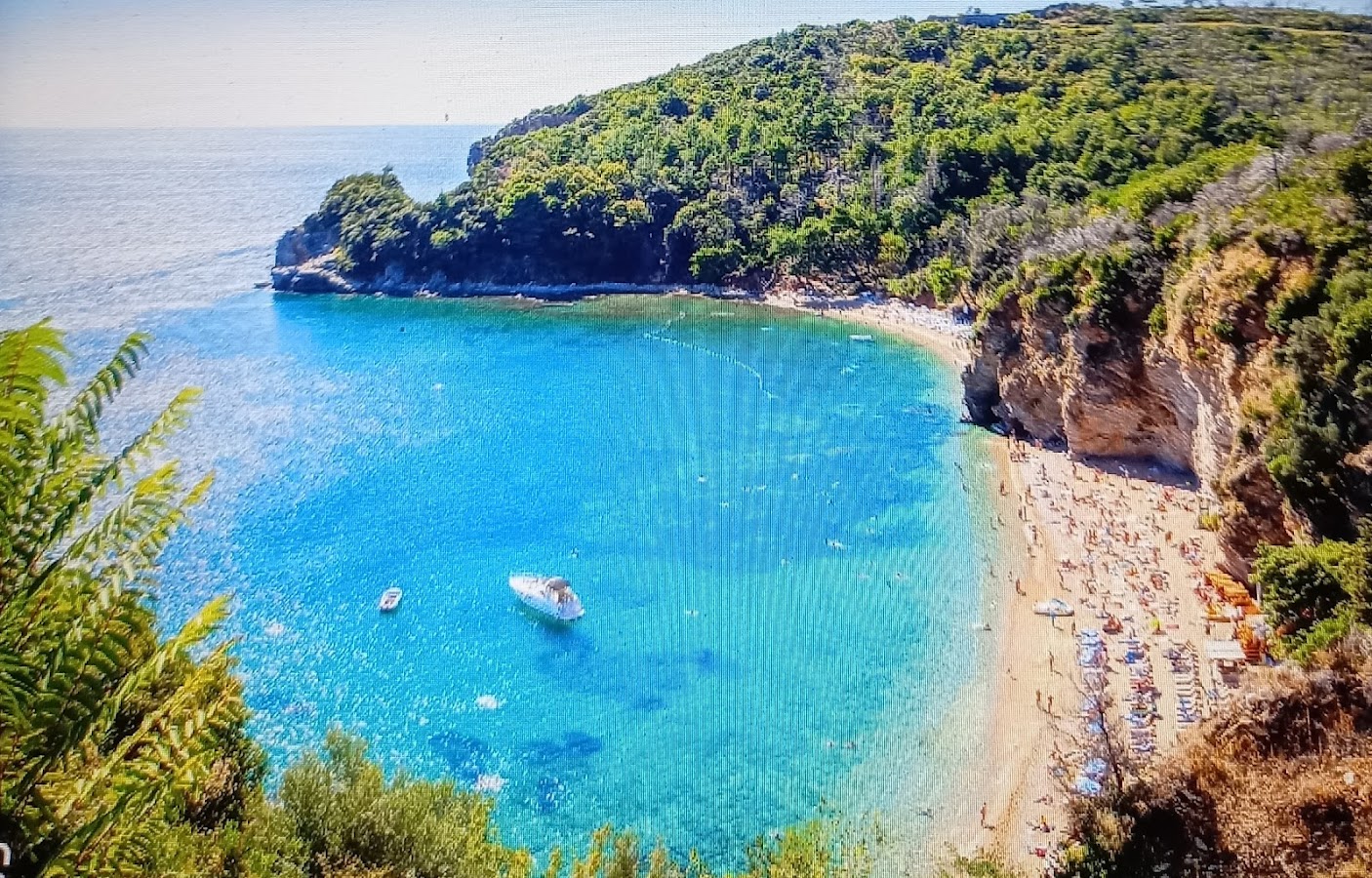
Month-by-month breakdown
**May**: Air temperatures reach 22–26°C on good days; sea temperature is 18–21°C — cool but swimmable for the determined. Beaches are quiet. Most beach bars have opened for the season by mid-May but operate reduced hours. Accommodation prices are at their annual low. Rainfall is still possible but storms are short-lived. Ideal for anyone who prioritises hiking or cultural sightseeing with occasional swimming.
**June**: The best-kept secret month on the Montenegrin coast. Air temperatures regularly hit 28–32°C. Sea temperature rises quickly, reaching 22–24°C by the end of the month — genuinely comfortable for extended swimming. Beach bars are fully operational from June 1. Crowds are perhaps 30–40% of peak-season density. Accommodation costs 20–30% less than July. Parking is easy; tables at good restaurants don't require reservations. For most visitors with flexibility, late June is the optimal arrival window.
**July**: Montenegro's coast shifts into a higher gear. Air temperatures regularly exceed 35°C. Sea temperature reaches 24–26°C — perfect for swimming. Every beach bar, restaurant, and water sports operator is open and running at full capacity. The Budva Riviera and Sveti Stefan area fill with visitors from Serbia, Kosovo, the UK, Germany, and increasingly the wider world. Ulcinj fills with visitors from Albania and further. Accommodation must be booked weeks or months in advance. Prices are at their peak. If you want the full, buzzing, maximum-energy version of the Montenegro coast experience, July delivers it — just accept the tradeoffs.
**August**: Similar to July but even more intense in the first two weeks. The coast feels genuinely overwhelmed in places — particularly Budva's old town and Sveti Stefan — and the experience for a first-timer can shade from vibrant into exhausting. The second half of August sees a slight easing of pressure as Serbian and Croatian school holidays end. Sea temperature peaks at 26–27°C. Sunsets are spectacular and long.
**September**: Arguably the best month overall. The sea retains its summer warmth (24–26°C at the start, 22–24°C by month end) because it takes weeks to cool after peak summer. Air temperatures are 26–30°C — still hot, but not oppressive. The crowds have dropped dramatically — typically to 40–50% of August levels by the second week of September. Accommodation prices fall. Beach bars remain open throughout September and only start closing in October. The light is golden and clear; the evenings cool down pleasantly after weeks of hot nights.
**October**: The season winds down rapidly after the first week. Sea temperature drops to 20–22°C — fine for short swims and snorkelling, less comfortable for lounging. Many beach bars close by mid-October; the ones that remain are run by hardy locals serving locals. Air temperatures can still reach 22–25°C in good weeks. October is for travellers who want beautiful coastline without any infrastructure or company.
Specific considerations
For families with school-age children, late June (after term ends) and the second half of August (before term starts) are the practical windows. Both are good. Late June is better.
For water sports — kitesurfing, paddleboarding, sea kayaking — the summer northerly wind (called the bura when it drops down from the mountains) is strongest in July and August; kitesurfers love Velika Plaža specifically for this reason.
For underwater visibility (snorkelling, diving), June and September offer the clearest conditions; heavy August traffic stirs up sediment near popular beaches.
For cultural tourism (Kotor old town, Perast, Orthodox monasteries), April–June and September–October are ideal; the streets of Kotor in August can be shoulder-to-shoulder.