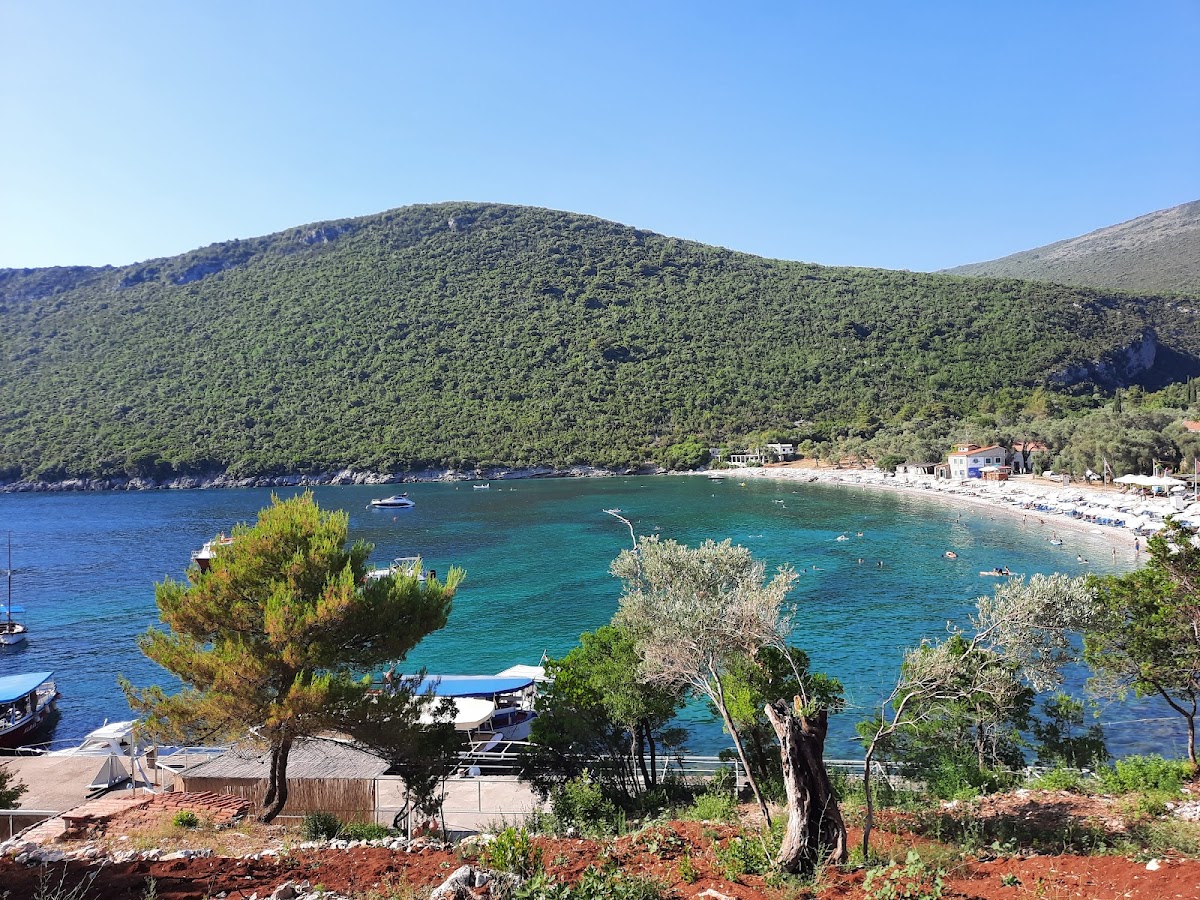
Why Montenegro still has hidden beaches
Montenegro's Adriatic coastline runs barely 300 kilometres, yet it packs in a surprising variety of terrain: limestone cliffs, olive groves that slope straight to the water, river-mouth deltas, and forested peninsulas that jut into the Bay of Kotor. The resort beaches — Budva's Mogren, Bečići, and Jaz — are excellent, but they fill up fast in July and August. The good news is that the geography which makes Montenegro compact also puts genuine wilderness beaches within easy reach of every major town.
This guide is for travellers who want calm water, fewer umbrellas, and the kind of afternoon where the loudest sound is the sea.
Žanjic and Mirišta (Herceg Novi area)
The Luštica Peninsula, a broad thumb of land that shelters the outer Bay of Kotor, holds some of the most accessible hidden swimming spots on the coast. Žanjic is technically listed as a beach, but its position — only reachable by a 20-minute boat taxi from Herceg Novi's harbour or a winding mountain road — keeps numbers manageable even in high season. The water is exceptionally clear, pebble underfoot, and the surrounding pine and olive trees provide natural shade when you need a break from the sun.
A short walk along the coastal path from Žanjic leads to Mirišta, a smaller cove that rarely appears on resort maps. Bring your own water and snacks; facilities here are minimal and that is precisely the point.
Boat taxis from Herceg Novi run from around mid-June through September. The crossing costs a few euros each way and skippers usually make several runs per day — ask at the harbour or check with your accommodation for the current schedule.
Valdanos Olive Bay (near Ulcinj)
South of Ulcinj, the Bay of Valdanos is framed by one of the largest olive groves on the Adriatic coast — trees that are, in some cases, centuries old. The beach itself is a long pebble crescent that sees only a fraction of the visitors who head straight for Velika Plaža or Mala Plaža. Because it faces west, late afternoon light here is exceptional.
Valdanos is reachable by road — there is a small car park — and a handful of basic beach bars operate through the summer, so you can pick up a cold drink without having to pack everything in. Sunbeds are available if you want them (roughly EUR 5–10 per day), but there is always space to lay a towel on the free section. The water shelves gently, making it a good choice for families or anyone who prefers a calm entry.
Orahovac Bay (Bay of Kotor)
Orahovac is a village beach tucked into the eastern arm of the Bay of Kotor between Risan and Perast. The bay here is calmer than the open Adriatic — essentially a large sheltered lake — so the water surface is flat and temperatures climb earlier in the season. By mid-June the sea is already comfortable for swimming, typically around 22–23°C, and August sees it nudge 25°C.
The beach is short and pebbly, fronted by a row of small local konobas rather than flashy beach clubs. You can eat grilled fish and drink local wine for well under the prices you would pay in Budva. Getting there by car from Kotor takes around 30 minutes; by boat from Perast it is less than ten.
Hiking to hidden coves above Budva
The cliffs between Budva's Mogren beach and Sveti Stefan conceal a series of small rocky platforms and coves accessible only on foot. The coastal walking path — partly formalised, partly improvised by generations of local swimmers — traces the cliff tops and dips down to the water in several spots. The terrain is limestone, so wear shoes with grip. Most of these micro-beaches have no facilities whatsoever, which is their appeal: you will rarely share them with more than a handful of other people even on a busy August weekend.
Set off early in the morning (before 9 am) to enjoy the path in shade and reach whichever cove you choose before the sun is directly overhead.
Plavi Horizonti (Luštica, near Tivat)
Plavi Horizonti — Blue Horizons — sits at the southwestern tip of the Luštica Peninsula and is one of the very few sandy beaches in this part of the coast, which makes it genuinely special. Reaching it requires either a boat from Tivat or a drive across the peninsula followed by a walk down through the pine trees. The effort filters out casual visitors. The beach faces open sea rather than the enclosed bay, so there is a light swell on most days and the water feels wilder than at bay beaches.
A beach bar operates here in high season; sunbed and umbrella sets run in the EUR 15–25 range, or you can find a free patch of sand. The sunset from this end of the peninsula, framed by Mamula island in the middle distance, is one of the best on the entire coast.
Practical tips for reaching quiet beaches
Boat taxis are the most flexible option in the Bay of Kotor — they run informally from most harbour towns and can often drop you at a cove that has no road access at all. Agree the pick-up time before you leave the harbour.
For beaches accessed by trail, carry at least two litres of water per person in July and August, when temperatures regularly exceed 30°C by midday. Shade is scarce on exposed limestone paths.
Swim season runs from mid-June through late September, with sea temperatures warmest in August (around 25–26°C). June and September offer the best combination of warm water and thinner crowds — the hidden beaches that feel merely quiet in August become almost private in the shoulder months.
Finally, Montenegro's quiet coves are quiet because they stay clean and undeveloped. Pack out everything you bring in.