Destination · Montenegro
Destination · Montenegro
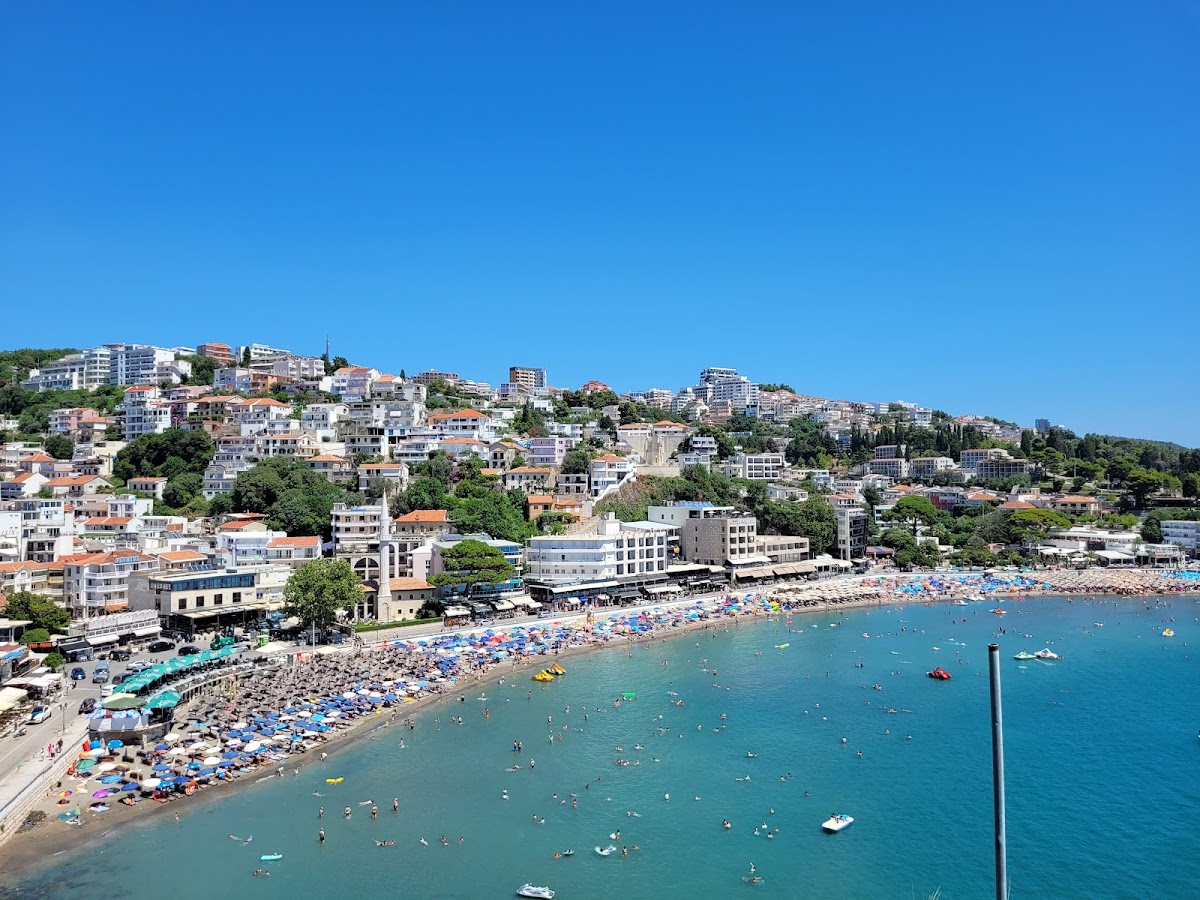
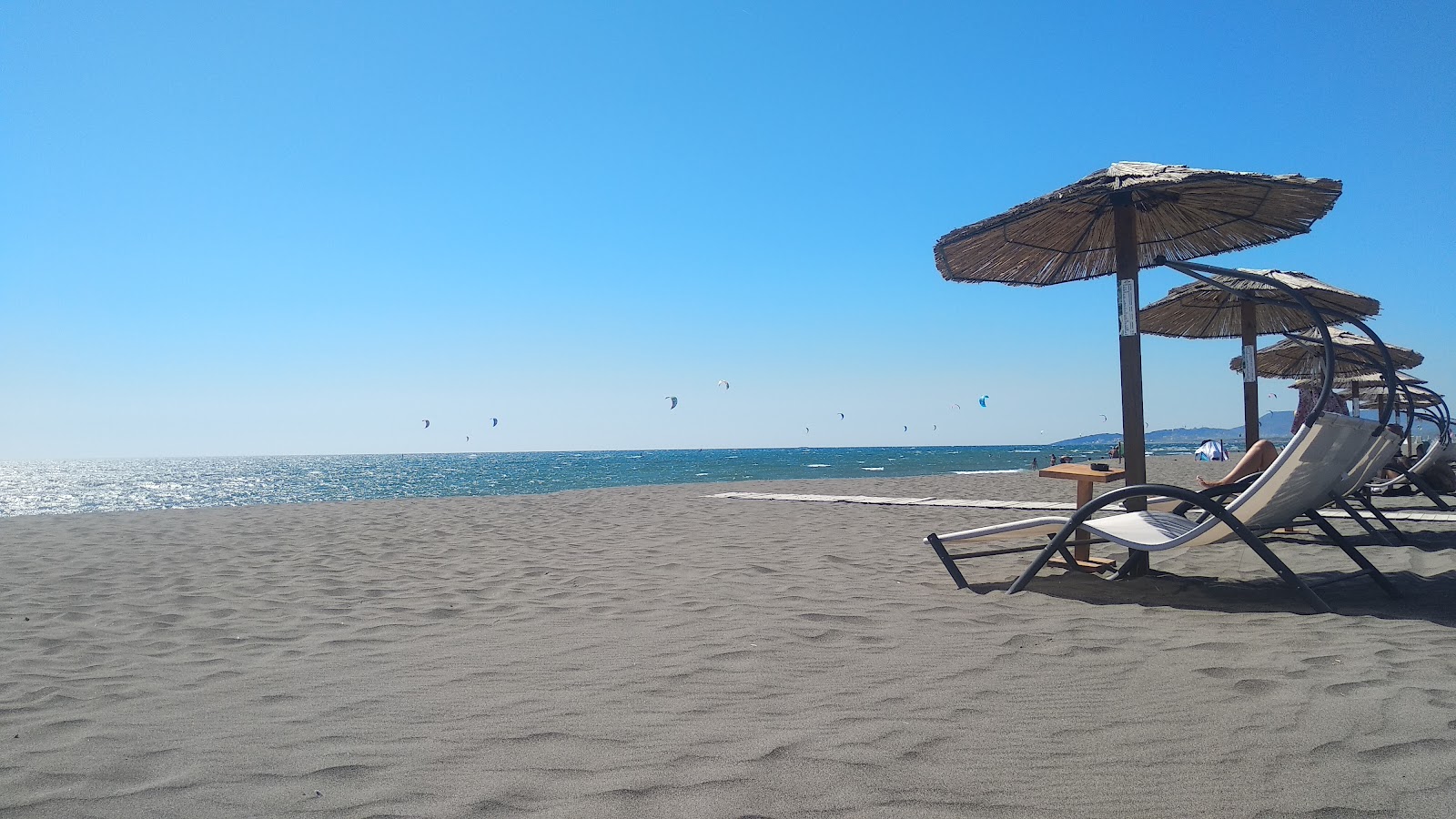
Ulcinj sits at the very southern tip of Montenegro, just a few kilometres from the Albanian border, and it feels different from anywhere else on the Adriatic coast. The old town rises on a rocky promontory above the sea, its centuries-old Ottoman and Venetian walls overlooking a shoreline that gradually gives way to the extraordinary Velika Plaža — 13 kilometres of unbroken, fine brown sand, the longest beach on the eastern Adriatic. This is kitesurfer country: consistent summer winds funnel through the Bojana River delta, drawing riders from across Europe to the island of Ada Bojana, a triangular river island at the very end of the beach with its own colony of naturist-friendly beach bars and fish restaurants built on wooden stilts over the water. Back in town, Mala Plaža (Little Beach) is a compact sandy cove directly below the old town ramparts, animated by a tight strip of beach bars and cafés that pulse until the small hours. The local population blends Montenegrin, Albanian, and Roma communities, giving Ulcinj a multicultural character and a cuisine — grilled lamb, fresh river fish, byrek — unlike anywhere else in the country. Budget-conscious travellers, kitesurfers, backpackers, and travellers chasing a rawer, less commercialised Adriatic experience all gravitate here.
The beach scene
Ulcinj's beach scene is refreshingly unpretentious. Velika Plaža is wide and shallow-entry, ideal for families and watersports; the further south you walk, the quieter and more naturist it becomes. Ada Bojana is the standout — a bohemian island of wooden beach bars, hammocks, and fish shacks with an end-of-the-world feel. Mala Plaža, directly below the old town, is the party focal point: densely packed sun loungers, thumping bar speakers, and a youthful, international crowd mixing with locals. Expect grilled seafood, cold Niksicko beer, and rakija at sundown.
Frequently asked questions
Ulcinj's standout beach is Velika Plaza, a 12-kilometre stretch of fine sand — one of the longest sandy beaches in the entire Adriatic, making it unique along Montenegro's otherwise pebble-dominated coast. Ada Bojana, a river-island beach at the southern tip, is internationally known as a naturist destination and windsurfing hotspot.
The town beach (Mala Plaza) sits right below the Old Town walls and suits those wanting a short walk from restaurants and bars. For something quieter, the rocky coves north of the Old Town offer more seclusion, though bring water shoes for the pebbles.
On Velika Plaza and the town beach, a single sunbed typically costs around EUR 5–10 per day, while a two-lounger-plus-umbrella set usually runs EUR 15–25. Demand peaks in July and August, so prices edge toward the higher end of that range during peak season.
Baldahins (shaded cabanas) are available at some beach-bar concessions on Velika Plaza and can run EUR 40–80 or more per day depending on the operator and group size. Many spots are walk-up, but in July–August it is worth calling ahead or messaging via WhatsApp or Instagram to reserve a premium spot.
Velika Plaza is the top family choice in Ulcinj: its gradual sandy entry, shallow warm water near shore, and long flat beach make it ideal for young children. The sandy bottom is far safer for small feet than the pebble beaches common elsewhere in Montenegro, and there is plenty of space even in high season.
The town beach (Mala Plaza) is compact but convenient for families staying in the Old Town area, with calm water and easy access to cafes. Ada Bojana is also sandy and shallow, though note it is a designated naturist beach, so families should factor that in.
The swimming season in Ulcinj runs from mid-June to late September, with sea temperatures peaking at roughly 25–26 °C in August — the warmest water of the Montenegrin season. July and August bring the largest crowds, highest prices, and liveliest beach-bar atmosphere.
June and September offer a noticeably quieter experience: the sea is still warm enough for comfortable swimming, sunbeds are easier to find, and prices tend to be lower. Ulcinj is also popular with kite- and windsurfers in autumn when the northern bora wind picks up around Ada Bojana, extending the appeal into October.
The closest international airports are Podgorica (roughly 80 km north) and Tivat (around 120 km). From Podgorica there are regular buses to Ulcinj town, and taxis or rental cars make the drive straightforward. Dubrovnik Airport is also an option for travellers connecting from the north, though it adds cross-border travel.
Parking near Velika Plaza is available along the access road, with paid lots and informal roadside spaces filling up quickly in July and August — arrive before 10 am to secure a spot. In the Old Town area, parking is limited; the town beach is best reached on foot from central accommodation.
For a quieter experience, the small coves and rocky stretches north of Ulcinj's Old Town see fewer visitors than Velika Plaza and are accessible on foot or by a short drive. These spots tend to attract locals rather than tour-group crowds, especially on weekdays.
Ada Bojana, while famous, feels spacious due to its sheer size — walk further from the main parking and bar areas toward the river mouth and you will find far fewer people. Visiting in June or the first half of September dramatically reduces crowds at any Ulcinj beach compared with the July–August peak.